
The Tools:
A non-stick skillet or a well-seasoned carbon steel pan. (Avoid stainless steel for eggs).
A rubber spatula for gentle folding.
A mixing bowl and a fork or whisk.
A stovetop with reliable low heat.
The Ingredients (for 2 servings):
4 large, fresh eggs
1 tablespoon of cold butter, cubed, plus more for the pan
1 tablespoon of whole milk, cream, or crème fraîche (optional, for extra creaminess)
Salt and freshly ground black pepper
Optional add-ins: Fresh chives, grated cheese, a pinch of smoked paprika.
The Step-by-Step Method: A Labor of Love
Total Time: 10 minutes | Serves: 2
Step 1: The Whisk (Not the frenzy)
Crack the eggs into a bowl. Add your optional dairy (milk/cream) and a small pinch of salt. Salt now helps break down the proteins for a more tender result.
Whisk until the yolks and whites are just combined. You should still see large bubbles. Do not over-whisk into a uniform, homogenous liquid; this can make the eggs tough.
Step 2: The Preheated Pan
Place your non-stick skillet over low heat. Let it get gently warm, not hot. Add a pat of butter. It should melt slowly and foam slightly, but not sizzle violently or brown.
Step 3: The Pour & The Wait
Pour the eggs into the center of the pan. Let them sit, undisturbed, for about 20-30 seconds. This allows the first layer of curds to form gently at the bottom.
Step 4: The Gentle Push (The Most Important Step)
As the edges begin to set, use your rubber spatula to slowly push the cooked eggs from the edges toward the center. Tilt the pan to allow the uncooked, runny eggs to flow into the empty space.
Repeat this process: push, tilt, fold. Do not scramble aggressively. You are creating large, soft, creamy curds.
Step 5: The Finish
When the eggs are about 90% cooked—still looks wet with some visible liquid egg—remove the pan from the heat immediately. The residual heat will finish the cooking perfectly.
Step 6: The Final Enrichment
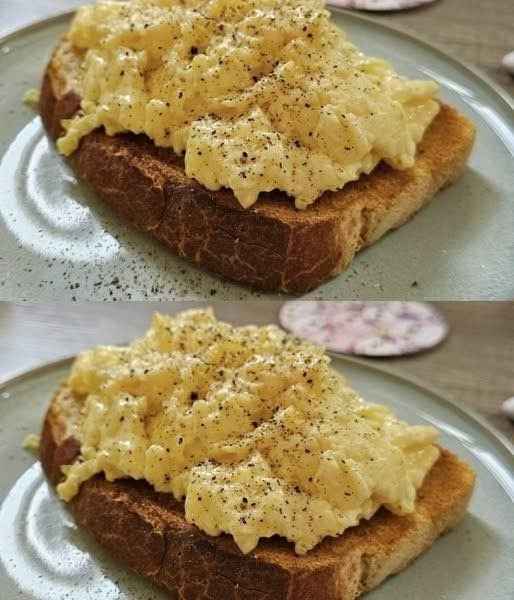
“Oeufs brouillés” (French method) Secret: Immediately stir in your tablespoon of cold, cubed butter. This final addition, called monter au beurre, stops the cooking instantly and creates an unbelievably silky, creamy sauce that coats the curds.
Step 7: Rest and Season
Transfer the eggs to a warm plate immediately. They will finish setting into perfection.
Add a final crack of freshly ground black pepper and any delicate herbs like chives. Taste before adding more salt.
Chef’s Notes: The Science of Success
Why Low Heat? High heat tightens egg proteins violently, squeezing out moisture and creating tough, rubbery curds. Low heat allows them to coagulate gently, trapping moisture for a tender texture.
Why Cold Butter at the End? Adding fat at the end emulsifies it into the eggs, creating a luxurious, cohesive texture rather than just frying in it.
To Dairy or Not to Dairy? Dairy adds extra fat and water, which can make eggs more tender and creamy. However, it can also dilute the pure, rich egg flavor. For the purest experience, skip it and rely on the butter-enrichment method.
Troubleshooting: Fixing Common Mistakes
Rubbery Eggs: You used too high heat and/or overcooked them.
Watery Eggs: You likely added too much milk or undercooked them slightly. Using cream instead of milk can help, as it has less water content.
Small, Tough Curds: You stirred too aggressively and too often.
Stuck-on Eggs: Your pan wasn’t non-stick enough, or you didn’t use enough fat.
Frequently Asked Questions (FAQ)
Q: Should you add milk to scrambled eggs?
A: It’s a matter of preference. Milk can make them slightly more tender, but it’s not necessary for creaminess. The true secret to creaminess is low heat and not overcooking. For the richest result, use cream or crème fraîche, or simply rely on butter.
Q: When should you salt scrambled eggs?
A: Salt before cooking. Contrary to the old myth, salting eggs before cooking does not make them watery. It actually helps break down the proteins for a more tender texture.
Q: How do you make scrambled eggs for a crowd?
A: The low-heat method is tricky for large batches. Instead, cook them in a double boiler or a heatproof bowl set over a pot of simmering water. It will take longer, but you can make a large quantity of perfectly creamy eggs without scrambling.
Q: What are the best add-ins?
A: Add cheese and hearty herbs (like thyme) during the last minute of cooking. Add delicate ingredients (like chives, smoked salmon, or truffle) after the eggs are off the heat to preserve their flavor.