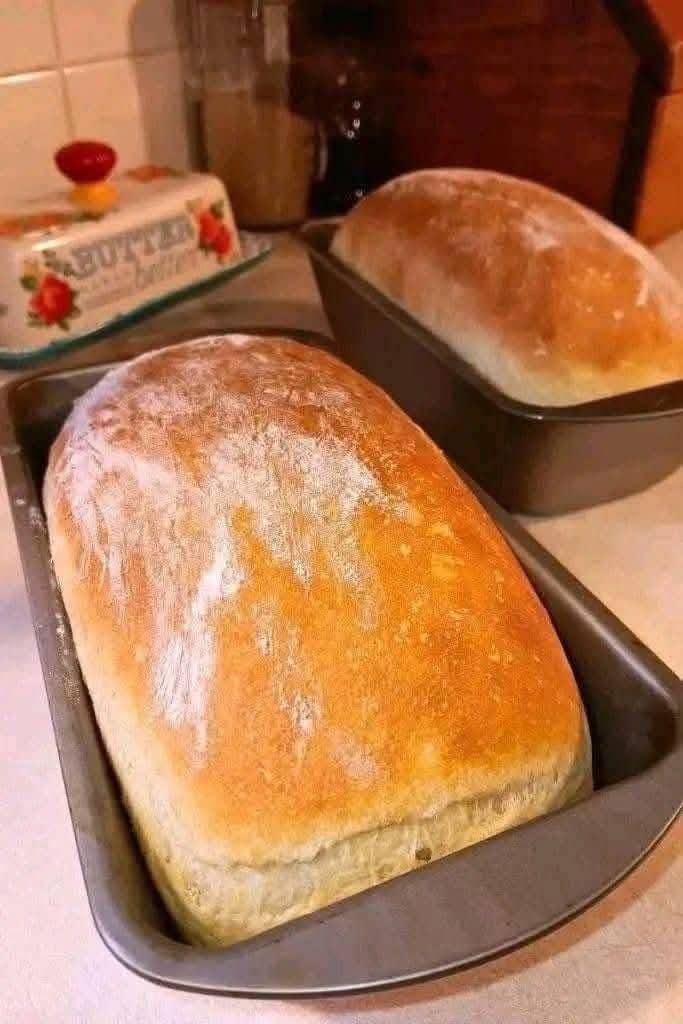

The Secret to the Perfect Texture
The magic of this recipe lies in the hydration and resting time. The warm water and long rise allow the yeast to work slowly, creating those lovely air bubbles that make the bread soft and fluffy. Skipping kneading means the dough retains more moisture, giving you a tender crumb every time.
Tips for Success
Use fresh yeast: Expired yeast won’t rise properly, leading to dense bread. Always check the date before starting.
Measure accurately: Too much flour can make the dough heavy. For best results, spoon and level your flour instead of scooping directly from the bag.
Don’t rush the rise: The dough needs time to develop its texture and flavor, so let it rise fully before baking.
Add flavor boosts: Mix in a drizzle of olive oil, a sprinkle of herbs, or a handful of seeds for variety.
Flavor Variations You’ll Love
This basic recipe is incredibly flexible. Here are a few ways to make it your own:
Garlic Herb Bread: Add 1 teaspoon of garlic powder and 1 tablespoon of dried herbs like rosemary or oregano to the flour.
Honey Oat Bread: Replace the sugar with 2 tablespoons of honey and sprinkle oats on top before baking.
Whole Wheat Version: Substitute half the all-purpose flour with whole wheat flour for a nutty, hearty flavor.
Cheesy Bread: Stir in ½ cup of shredded cheese (cheddar or mozzarella) for a savory twist.
How to Store Your Bread
Once your bread has cooled completely, wrap it tightly in plastic wrap or store it in an airtight container. It will stay soft for 2–3 days at room temperature. For longer storage, you can refrigerate it for up to 5 days or freeze slices in a zip-top bag for up to a month. Toasting slices straight from the freezer brings them back to life perfectly.
Serving Ideas
This no-knead sandwich bread is endlessly versatile. Here are some delicious ways to enjoy it:
Breakfast toast: Spread with butter, honey, or jam for a simple morning treat.
Classic sandwiches: Layer with turkey, lettuce, tomato, and cheese for the perfect lunch.
French toast: Dip slices in egg and milk mixture, then pan-fry until golden for a weekend favorite.
Garlic toast: Brush with olive oil, sprinkle with garlic powder and parsley, and toast in the oven.
Avocado toast: Top with mashed avocado, a squeeze of lemon, and a sprinkle of salt and chili flakes.
Why This Recipe Works
Traditional bread recipes can feel intimidating, but this one takes all the stress out of the process. There’s no special equipment, no kneading, and no complicated steps. It relies on time and yeast to do the heavy lifting, producing a loaf that’s soft, fluffy, and full of flavor. Even beginner bakers can achieve professional results on the first try.
Common Mistakes to Avoid
Using hot water: Water that’s too hot can kill the yeast. Stick to warm—not boiling—water.
Cutting too soon: Letting the bread cool fully keeps it from becoming dense or gummy.
Adding too much flour: A sticky dough is normal. Extra flour can make the bread dry.
Skipping the second rise: This final step ensures a beautifully domed loaf with an airy crumb.
The Joy of Homemade Bread
There’s something special about baking your own bread. It’s simple, satisfying, and brings an incredible sense of accomplishment. Plus, it fills your home with that cozy, irresistible aroma that makes everyone gather in the kitchen. Once you make this no-knead sandwich bread, you’ll understand why so many people say, “I can’t stop making it!”
Conclusion
This no-knead sandwich bread is the ultimate recipe for anyone who loves fresh, homemade bread without the hassle. It’s soft, light, and perfect for every occasion—from weekday lunches to Sunday brunch. With no eggs, no butter, and no kneading, it’s proof that simplicity and flavor can go hand in hand. Try it once, and you’ll be hooked for life.
If you enjoy easy, no-fuss recipes like this one, make sure to save this page and follow along—I share more simple, irresistible recipes that will make your kitchen your favorite place to be.