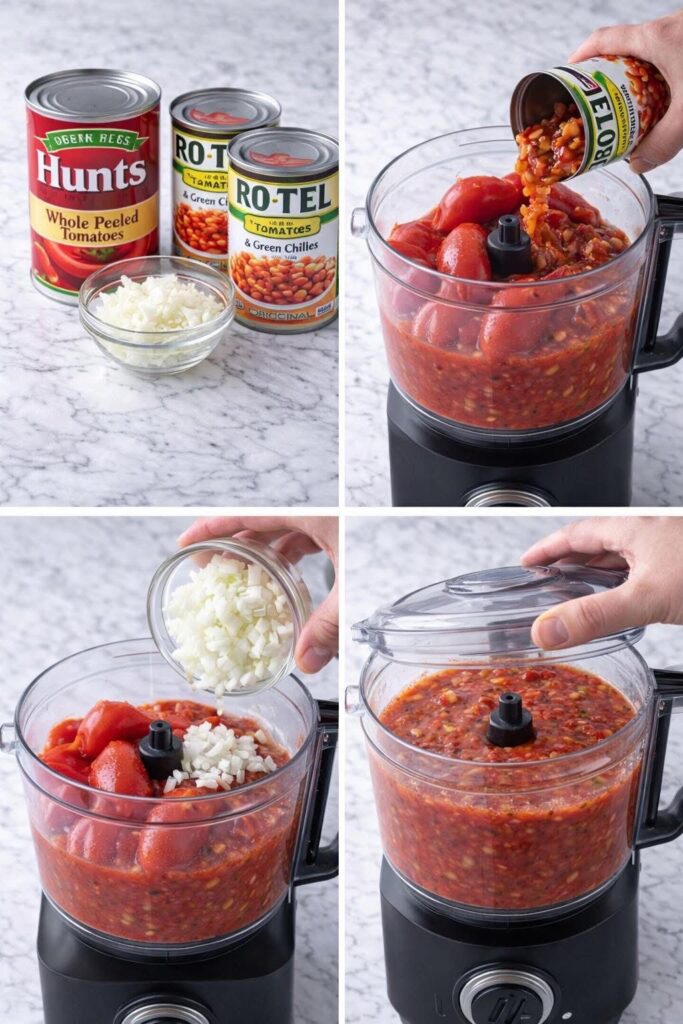

Taste the salsa. This is the most important step for customization! Add more salt, pepper, cumin, or lime juice if desired. If you prefer it spicier, you can add a pinch of cayenne pepper or a dash of hot sauce.
For the best flavor, cover the salsa and refrigerate it for at least 30 minutes, or ideally for a few hours. This allows all the flavors to meld and deepen, resulting in a much more delicious salsa.
Serve chilled with your favorite tortilla chips, tacos, burritos, or as a vibrant topping for grilled meats and eggs.
Cooking Tips and Variations
Achieving the “BEST” salsa every time is all about a few key techniques and knowing how to customize. Firstly, resist the urge to over-process! That’s the number one mistake people make. Pulsing in short bursts gives you control over the texture, ensuring you get that perfect chunky consistency that’s so satisfying. If you blend continuously, you’ll end up with a watery, pureed sauce rather than a vibrant salsa. Another crucial tip is to let it rest. While you can certainly eat it right away, allowing the salsa to chill in the refrigerator for at least 30 minutes, or even better, a few hours or overnight, allows the flavors to truly meld and deepen. This transformation is remarkable, as the individual ingredients harmonize into a more complex and balanced taste.
When it comes to ingredients, don’t skimp on quality, even with canned goods. Using a reputable brand for your whole peeled tomatoes and Ro-Tel can make a noticeable difference in the final flavor. For the onion, white onion provides a crisp, sharp bite that’s classic in salsa, but a red onion can offer a slightly milder, sweeter flavor and a beautiful color contrast. Fresh cilantro and lime juice are non-negotiable; they provide the essential brightness and freshness that elevate this salsa from good to extraordinary. Always taste and adjust seasonings at the end. Salt, pepper, cumin, and lime juice are your friends here – add them gradually until the salsa sings to your palate.
Want to play with variations? The beauty of this recipe is its flexibility. For an extra smoky depth, try adding a pinch of smoked paprika or a chipotle pepper in adobo sauce (start with a small piece, as it’s potent!). If you like a touch of sweetness, increasing the sugar slightly can balance the acidity beautifully. For more heat, you can add an extra jalapeño, or swap it for a serrano pepper. For a milder version, omit the fresh jalapeño and use mild Ro-Tel. Some people love a hint of garlic powder or onion powder in addition to the fresh aromatics for an extra layer of savory flavor. You can also experiment with different types of canned tomatoes, such as fire-roasted diced tomatoes, for a unique twist. For a slightly thicker salsa, you can drain a little bit of the liquid from the whole peeled tomatoes before adding them to the food processor, but be careful not to make it too dry.
Storage and Reheating
Proper storage is key to enjoying your BEST HOMEMADE SALSA EVER for days to come. Once prepared, transfer the salsa to an airtight container. A glass container with a tight-fitting lid is ideal, as it won’t absorb odors or colors from the salsa. Ensure the container is filled as much as possible to minimize air exposure, which can help maintain freshness. Store the salsa in the refrigerator. When stored correctly, this homemade salsa will stay fresh and delicious for 5-7 days. While it won’t go bad immediately after this period, the flavors and texture might begin to degrade.
Because this salsa is a no-cook recipe, there’s no “reheating” involved in the traditional sense. It is always best served chilled, as the cool temperature enhances its refreshing qualities and allows the flavors to truly pop. If you’ve stored it in the refrigerator and it’s become very cold, simply take it out about 10-15 minutes before serving to allow it to come slightly closer to room temperature, which can sometimes make the flavors more accessible. However, it’s perfectly enjoyable straight from the fridge too. Do not attempt to heat this salsa on the stovetop or in the microwave, as heating will dull its fresh, vibrant flavors and can alter the texture, making it mushy. Always enjoy it cool or at room temperature for the optimal experience.
Frequently Asked Questions
Can I make this salsa without a food processor?
While a food processor makes this recipe incredibly quick and easy, you can certainly make it without one. You’ll need to finely dice all the ingredients by hand. For the tomatoes, you can either chop them very finely or crush them with your hands. The texture will be chunkier, and it will take more time, but the flavor will still be fantastic. Just ensure everything is chopped small enough to be easily scooped with a chip.
How can I adjust the spice level?
Adjusting the spice level is simple! For less heat, make sure to use mild Ro-Tel tomatoes, and completely remove the seeds and membranes from the fresh jalapeños (or omit them entirely). For more heat, you can leave some or all of the jalapeño seeds and membranes, add an extra jalapeño, or even include a serrano pepper for a more intense kick. A pinch of cayenne pepper or a dash of your favorite hot sauce stirred in at the end can also boost the heat without altering the texture.
Why should I let the salsa rest in the refrigerator?
Allowing the salsa to rest in the refrigerator is a crucial step for flavor development. Just like a good stew or chili, the flavors in salsa need time to meld and harmonize. When you first blend it, the individual flavors are quite distinct. After resting, the acidity from the tomatoes and lime, the pungency of the onion and garlic, and the warmth of the cumin and chilies all combine to create a more complex, well-rounded, and delicious profile. The salsa will taste significantly better after it has had a chance to chill and for the flavors to deepen.
Can I freeze this salsa?
While you technically can freeze this salsa, the texture may change upon thawing. Tomatoes have a high water content, and freezing can cause them to become a bit mushy and lose some of their fresh, crisp quality. The fresh cilantro might also become limp. If you do choose to freeze it, store it in an airtight, freezer-safe container or freezer bag, leaving some headspace for expansion. Thaw it in the refrigerator overnight. It will still be good for cooking applications, but for dipping with chips, it’s best enjoyed fresh from the fridge within its recommended storage time.