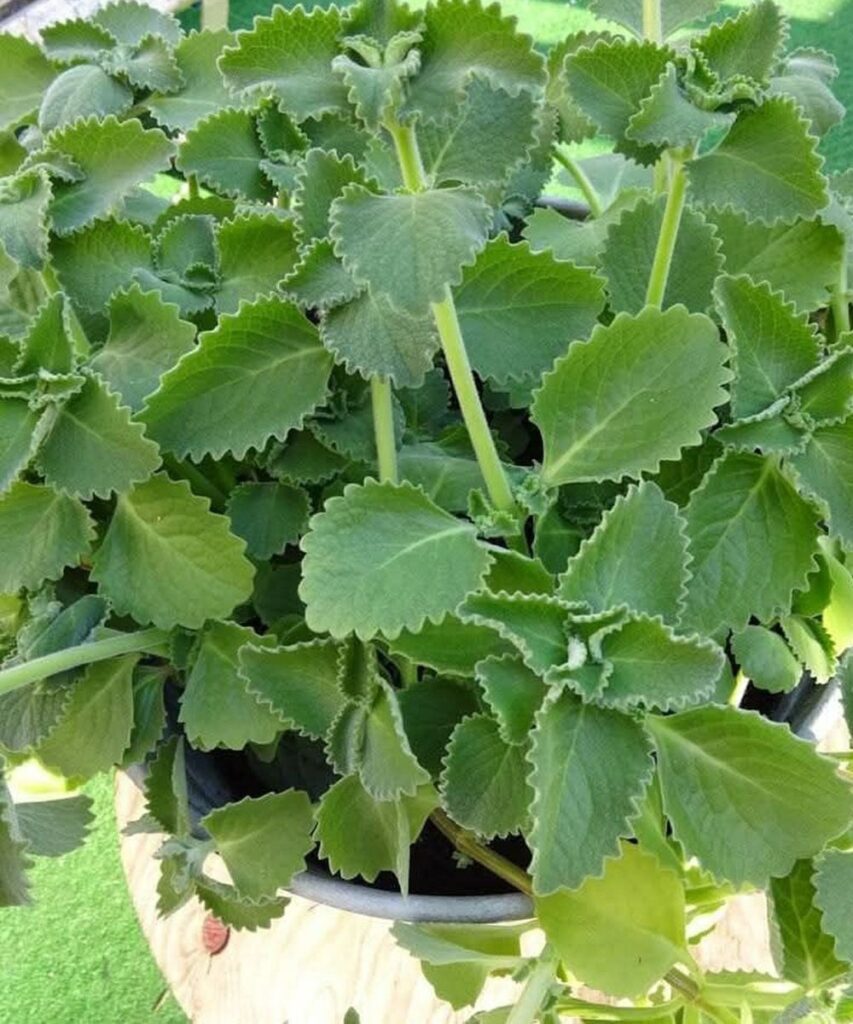

Oregano ranks among the top antioxidant-rich foods by ORAC (Oxygen Radical Absorbance Capacity) score.
✅ 1 tsp dried oregano
≈ Same as 3 apples
✅ 2 tsp oregano
More antioxidants than 1 cup of blueberries
💡 These compounds help neutralize free radicals linked to aging and chronic disease.
2. Natural Antimicrobial Properties
Lab and animal studies show oregano oil (especially carvacrol) can inhibit:
E. coli and Salmonella (foodborne pathogens)
Staphylococcus aureus (including MRSA in petri dishes)
Candida albicans (yeast overgrowth)
🧫 While promising, oregano oil is not a substitute for antibiotics in serious infections.
🩺 Some people use diluted oregano oil topically or orally under professional guidance — but risks exist (more below).
3. Anti-Inflammatory Support
Chronic inflammation underlies many diseases — from arthritis to heart disease.
Oregano contains compounds that may reduce inflammatory markers like COX-2 and NF-kB in preclinical models.
📌 Best effect comes from regular dietary use, not megadoses.
4. Digestive Comfort
Traditionally used to soothe indigestion, gas, and bloating.
Possible reasons:
Carvacrol stimulates bile flow → improves fat digestion
Antispasmodic effects may relax gut muscles
Mild antimicrobial action helps balance gut flora
🍵 Try steeping fresh or dried oregano in hot water after meals.
🍽️ How to Use Oregano Safely & Effectively
✅ In Cooking
Use liberally in savory dishes:
Tomato sauces
Roasted vegetables
Grilled meats and fish
Soups and stews
Fresh oregano has a milder flavor; dried is more concentrated (use sparingly).
📝 Tip: Add dried oregano early in cooking; fresh oregano near the end to preserve aroma.
✅ As a Tea (Herbal Infusion)
Recipe:
1–2 tsp dried oregano (or 1 sprig fresh)
1 cup boiling water
Steep 5–10 minutes → strain and sip
Add honey or lemon if desired.
⚠️ Not recommended daily for pregnant women or those with sensitive stomachs.
✅ Oregano Oil – Use With Caution
Highly concentrated — never consume undiluted.
✅ 1–2 drops diluted in carrier oil (for topical antifungal use)
❌ Swallowing full-strength oil
✅ Taken orally only under healthcare provider supervision
❌ Long-term internal use without monitoring
✅ Short-term use for specific concerns
❌ Replacing prescribed treatments
🚫 Avoid in children, pregnant/nursing women, and people on blood thinners or diabetes meds.
⚠️ Safety Tips & Who Should Be Cautious
❗ Allergy to mint, basil, or thyme
May react to oregano — test small amounts first
❗ Pregnant or breastfeeding women
Culinary use safe; avoid medicinal doses
❗ People on medications
Oregano may interact with anticoagulants or lithium
❗ Those with GERD or ulcers
Strong herbs may irritate sensitive stomachs
🩺 Always talk to your doctor before using oregano therapeutically — especially as an oil.
❌ Debunking the Myths
❌ “Oregano oil cures infections”
False — no evidence it replaces antibiotics in systemic illness
❌ “More is better”
Dangerous myth — high doses can damage liver or kidneys
❌ “It boosts immunity instantly”
No — supports overall health, but doesn’t replace immune function
❌ “Eating oregano prevents colds”
Not proven — diet plays a supportive role, not a curative one
Final Thoughts
You don’t need exotic superfoods to support wellness.
But you can reach for the spice jar — knowing that something as simple as oregano holds centuries of healing wisdom.
So next time you’re stirring a sauce…
pause.
Smell the earth.
Feel the warmth.
Respect the power.
Because real healing isn’t loud.
It’s quiet.
And sometimes,
it starts with one tiny leaf — and one deep breath.
And that kind of tradition?
It’s always in season.